
The Aftermath of the 12-day War
In the Middle East, its more of the same.

Benjamin Netanyahu, the modern-day Machiavellian prince and a political phoenix rising from the ashes, crossed the Rubicon on the night of June 13th. Launching Operation Rising Lion, he pursued the daring military objective of destroying his existential fears of the Iranian nuclear program. These Israeli operations against Iran's nuclear facilities have fundamentally altered the Middle East's strategic landscape.
While initial reports suggested a comprehensive destruction of Iran's nuclear program, emerging and often contradictory intelligence assessments paint a more complex picture—one that may have profound implications for regional stability and American foreign policy.
According to open-source intelligence, Israel's strike may not have achieved the total dismantlement of Iran's nuclear capabilities that was initially claimed. Reports suggest that while the Israelis knew the locations of enriched uranium stockpiles, Israel deliberately avoided targeting them to prevent environmental nuclear contamination. This tactical decision, if accurate, raises critical questions about the operation's long-term effectiveness. Even if these reports are untrue, the Iranians confirmed they plan to return to nuclear enrichment.

The implications are stark. If Iran has indeed relocated its nuclear materials or if significant capabilities remain intact, Israel may find itself in a more precarious position than before the strike. The element of surprise has been lost, and Iran now understands the depth of Israeli intelligence penetration within its borders. The Trump ceasefire inhibits Israel from finishing its military objectives, forcing the nation to fight again sometime in the future, but in more difficult circumstances.
For President Trump, Iran’s nuclear ambitions and Israel’s security present a significant diplomatic challenge. Having reportedly given Israel the green light for what was intended as a definitive operation, Trump could now face the potential prospect of being asked to authorize additional military action. This situates him in an untenable political position: Trump cannot appear to be engaging the United States in endless military interventions while simultaneously trying to secure his personal foreign policy legacy through expanded normalization agreements and winning peace abroad. Dropping the “bunker-busters” was a one-and-done deal meant to bring permanent closure to this Middle East fiasco, in the eyes of Trump.
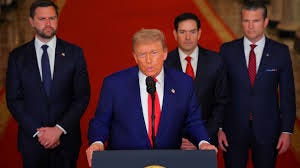
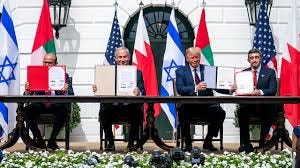
Trump's focus on bringing Saudi Arabia into the Abraham Accords as a crowning legacy achievement of his presidency may now conflict with the need for continued pressure on Iran. Ever one for the art of the “deal,” the Trump administration will likely pivot toward diplomatic solutions, potentially pursuing a revised nuclear agreement with Iran—a "JCPOA 2.0"—to manage the nuclear threat while advancing normalization efforts.
Israel now faces a fundamentally different strategic environment. The country's intelligence advantage has been nerfed, making future intelligence and military operations more dangerous. The lightning-strike capability that characterized this operation may no longer be viable, forcing Israeli planners to consider more drastic alternatives.

This reality may push Israel toward Iranian regime change as its preferred long-term strategy. In retrospect, Bibi may come to regret not targeting Ayatollah Khameini during the initial phase of operations, when the regime could have panicked the most, especially considering that no successor had been selected at the time. However, “unaliving” the Ayatollah would have carried enormous risks, potentially creating a martyr-breeding violent extremism and further isolating Israel internationally.
Iran's Revolutionary Guard Corps, though damaged, will likely emerge from this crisis more repressive and hostile than before. Having learned painful lessons about security vulnerabilities, the regime will implement stricter internal controls while continuing to pursue nuclear capabilities through more covert means.
The hope for an Iranian popular uprising remains dim. Without clear leadership or unified objectives, the Iranian people appear unlikely to capitalize on the regime's moment of weakness. The hardline elements know exactly what they want—survival, nukes, and continued power—while the opposition lacks coherent direction.
The best-case scenario is that the Ayatollah dies, the IRGC regime collapses, and Reza Pahlavi—the Iranian Monarch in exile—enters the vacuum and rules like Mohammad Bin Salman of Saudi Arabia. While rejecting extremism, he would employ some repressive tactics and use natural resources to diversify and expand the economy for a young population. This outcome is unlikely given that we haven’t seen any indications of a major uprising by the Iranian people.
Revolutions need organization, leadership, and weapons—most of which the Iranian people lack.
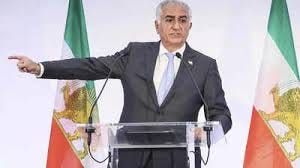
An Imbalance of Power
Operations Rising Lion and Midnight Hammer fundamentally reshaped regional power dynamics. The military actions pursued by Israel and the United States revealed Iran to be a "paper tiger," possessing strong credentials but weak in reality.
The surfacing imbalance of power altered the Sunni/anti-Iran coalition of Saudi Arabia, the Gulf states, and Israel against Iran's Shia crescent. Saudi Arabia, Turkey, and the Gulf states are ascending, while Iran's proxy network lies in ruins. Syria and Lebanon remain upstart sectarian wild cards. Israel has emerged as the region's dominant military power, from Jerusalem to Tehran. Israel is the strong horse to be feared and respected.
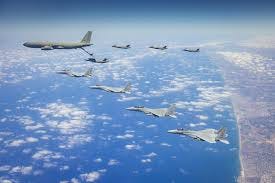
Perhaps most concerning is the potential for nuclear proliferation. Suppose Iran ultimately succeeds in developing nuclear weapons. In that case, Saudi Arabia will almost certainly follow suit to maintain a regional MAD (mutually-assured destruction) balance of power, especially without a serious and enforceable Trump deal with Iran. Deals, Trump ought to know, are only as good as the enforcement mechanism. If the world lets one infraction go, it becomes a slippery slope until there is no “deal” (See Versailles Treaty as an apt historical example). This scenario terrifies Israeli strategists, who envision a nightmare scenario where both Iran and Saudi Arabia possess nuclear capabilities to be turned against Israel.
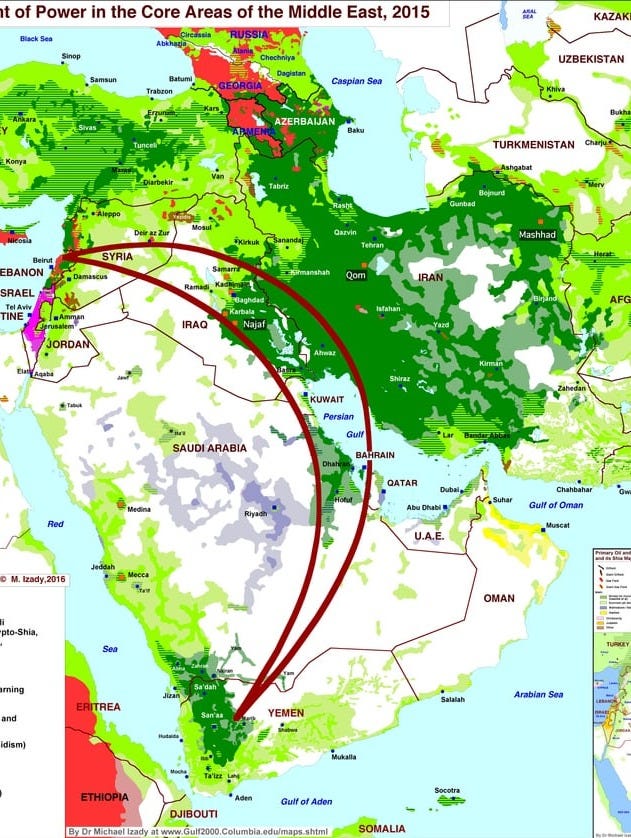
The only viable path to prevent this outcome is robust normalization between Israel and Saudi Arabia before any Saudi or Iranian nuclear program advances. This mandates a delicate diplomatic dance that requires careful American orchestration.
The Abrahamic Future
We had a brief moment of optimism after the U.S. struck the nuclear sites: that Iran was finished, and the belief that there could be a durable peace. The Middle East still appears destined for significant instability and sectarian violence (extremists - ISIS, etc.). The region's tribal mentality—"me and my brother against the stranger"—suggests that the current calm is only temporary.
Rather than betting on comprehensive peace agreements with Israelis and Palestinians, for instance, the most pragmatic approach may be the gradual expansion of the Abraham Accords. This framework offers the best hope for incremental stability and economic integration, even if it falls short of resolving deeper conflicts.
The recent operations have bought time, not permanent solutions. How effectively the United States, Israel, and their regional partners use this window will determine whether the Middle East moves toward greater stability or slides back into the familiar patterns of conflict that have defined it for generations.
Operation Rising Lion may have changed the chessboard. But in the Middle East, the more things change, the more they remain explosively the same.
Note: Claude AI was used for grammar and writing precision for this piece.
That was an amazing read! I’m looking forward to reading more!